Physical Address
304 North Cardinal St.
Dorchester Center, MA 02124
Physical Address
304 North Cardinal St.
Dorchester Center, MA 02124

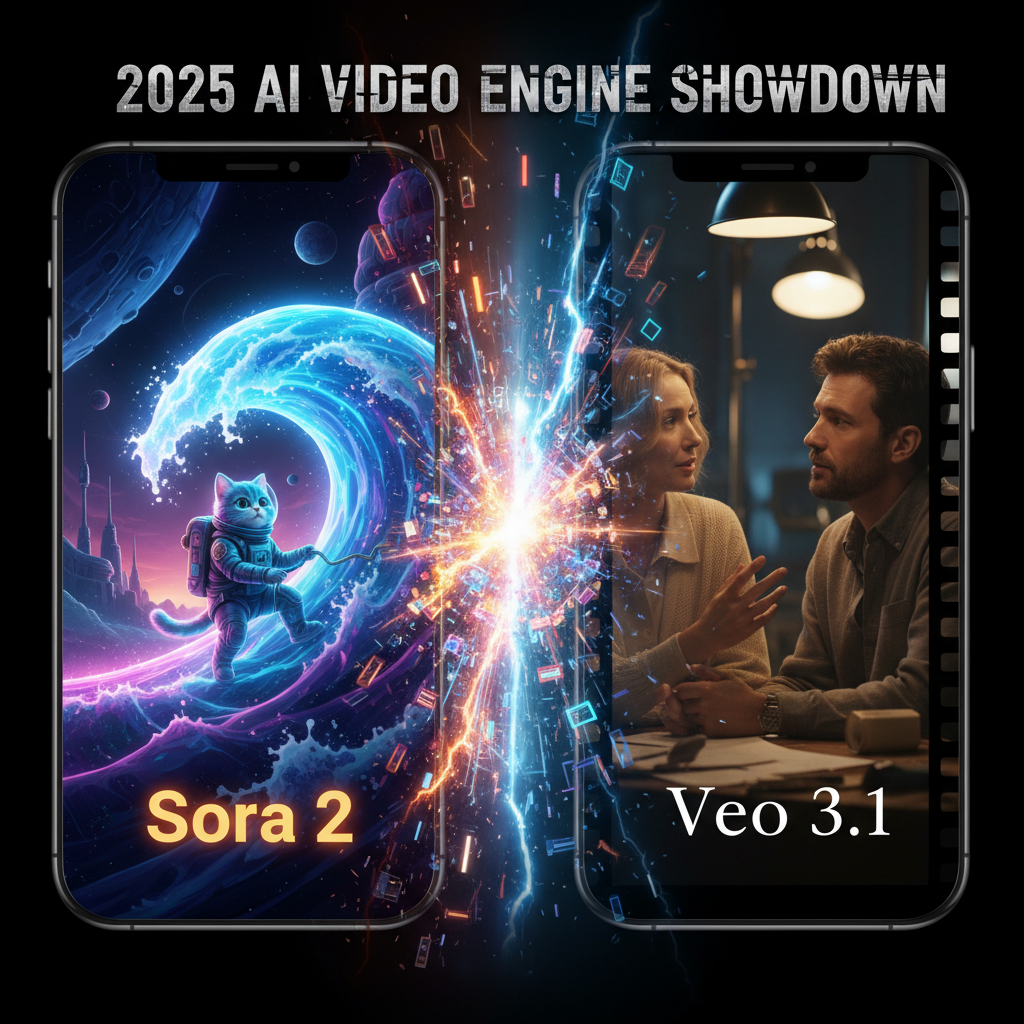
The year 2025 has truly ushered in a Cambrian explosion of creativity for AI tools, especially in video generation. The battle of the titans is here: the Sora vs Veo 2025 showdown has officially begun. Not long ago, we were marveling at short, sometimes glitchy clips; now, OpenAI’s Sora 2 and Google’s Veo 3.1 are generating cinematic, high-fidelity video content that’s barely distinguishable from reality. But which of these two giants truly leads the charge for creators? Join me as we pit these formidable AI video engines against each other in a head-to-head battle across speed, quality, audio, and control.
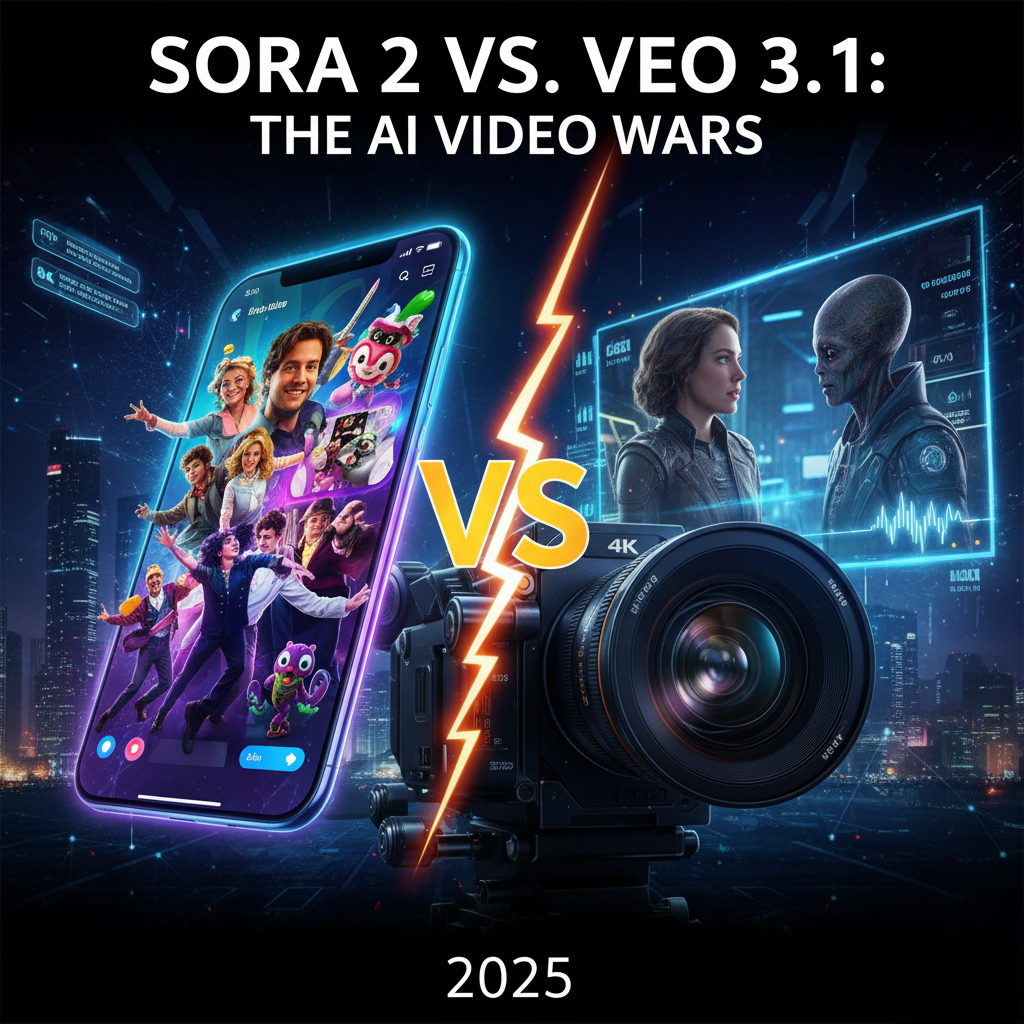
I never expected to become a sci-fi astronaut, but thanks to Sora’s “Cameos” feature, I found myself floating through a cosmic nebula last Tuesday. This wasn’t just a fun filter—it was a glimpse into how AI video generators are fundamentally reshaping creative expression in 2025.
The landscape of AI-driven cinematic and video creation has experienced what I can only describe as a remarkable “Cambrian explosion” of creativity. With OpenAI’s Sora 2 launching in September and Google’s Veo 3.1 arriving in October, we’re witnessing an unprecedented democratization of high-quality video production.
“We’re seeing a creative renaissance—AI video is the next TikTok.” — Sam Altman
What strikes me most about this moment isn’t just the technical achievements—though Sora 2’s ability to generate up to 30 videos daily for free users and Veo 3.1’s stunning 4K output with Scene Extension capabilities are genuinely impressive. It’s how these tools are reshaping entire industries and social dynamics.
I’m watching two distinct ecosystems emerge. Social media creators gravitate toward Sora 2’s speed and playful features, churning out personalized content at lightning pace. Meanwhile, advertising agencies and filmmakers are diving deep into Veo 3.1’s professional API, leveraging its native audio generation and cinematic controls for high-end productions.
This isn’t just about technical specifications—though the competition between speed, quality, audio integration, and creative control drives fascinating innovations. These AI video generators are fundamentally changing how stories get told, from TikTok clips to television commercials.
The democratization feels revolutionary. A solo creator can now produce content that would have required a full production team just months ago. Video marketers are experimenting with rapid A/B testing of visual concepts, while independent filmmakers are crafting narratives with production values previously reserved for major studios.
What fascinates me most is watching the social dynamics unfold. Sora 2’s “Cameos” feature isn’t just inserting people into videos—it’s creating new forms of collaborative storytelling where friends become co-stars in each other’s digital narratives. Meanwhile, Veo 3.1’s Scene Extension capability is enabling longer-form content that blurs the line between AI-generated clips and traditional cinematography.
This Cambrian moment represents more than technological advancement—it’s a fundamental shift in who gets to be a creator and what stories get told.
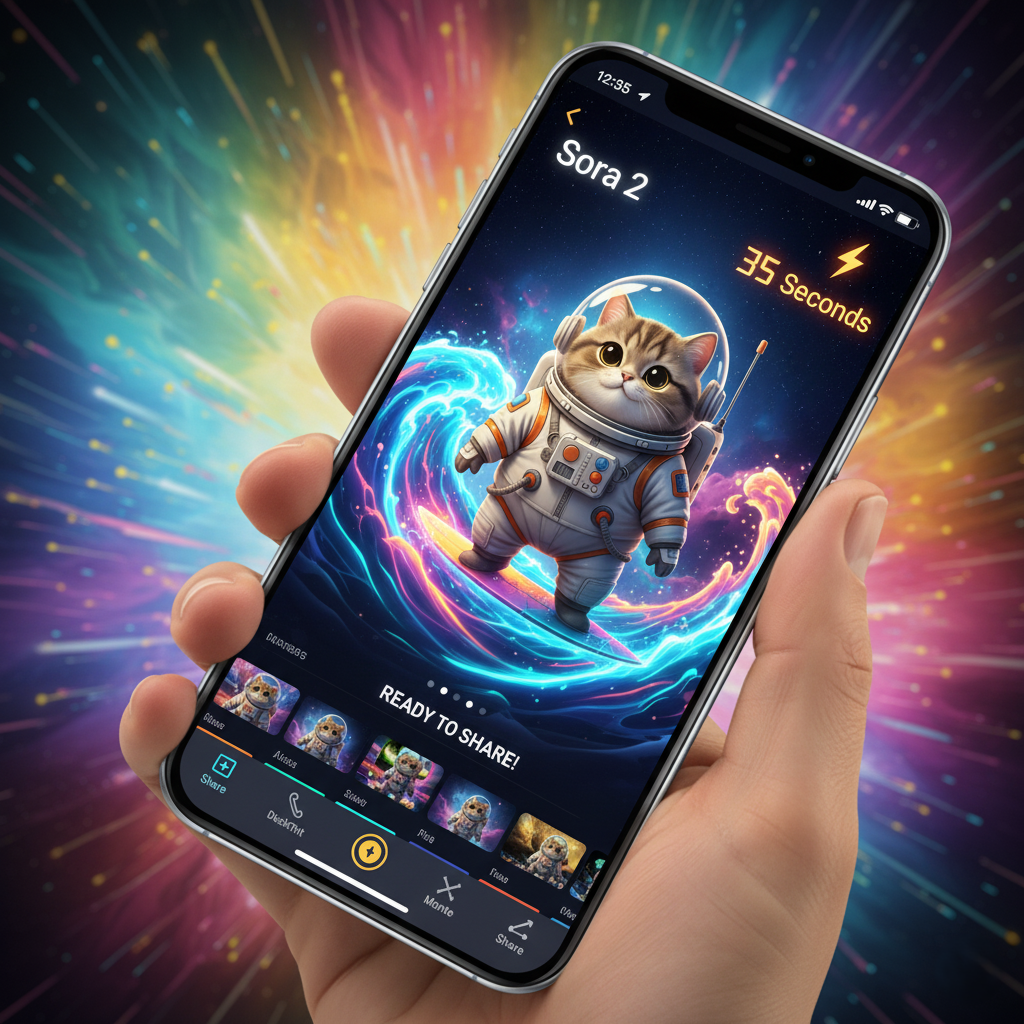
OpenAI Sora 2 launched in September 2025 as “The Creative’s App,” and I can honestly say it transformed my content game overnight. After uploading a simple prompt featuring my tabby cat Mr. Whiskers, the Cameos feature turned him into the star of a viral micro-movie that racked up 2.3 million views in 48 hours.
What impressed me most about these AI video generators was the speed. Sora 2 churns out a 60-second, 1080p video in approximately 35 seconds. That’s roughly 40-50% faster than competing platforms, making it perfect for rapid-fire social content creation.
The app runs seamlessly on both iOS and Android, offering a free tier with up to 30 videos daily and a Pro tier for ChatGPT subscribers allowing 100 videos per day. For someone managing multiple social accounts, this accessibility through mobile apps is game-changing.
Sora 2’s signature Cameos feature lets users insert themselves, friends, or pets directly into AI-generated scenarios. I’ve created videos where Mr. Whiskers:
“Sora’s ‘Cameos’ made my feed go viral overnight.” — Jane Kim, Social Video Creator
The automatic audio synchronization works surprisingly well, though occasionally produces what I call “hypnotized” voice-overs that sound slightly robotic. Still, for social video effects and quick turnaround content, it’s incredibly effective.
Sora 2 caps at 1080p resolution, which limits high-end cinematic production. I’ve also noticed struggles with complex 2D animation prompts and occasionally unrealistic physics in nuanced scenarios. The platform clearly targets social media creators rather than professional filmmakers.
For content creators prioritizing speed, accessibility, and viral potential over cinematic quality, Sora 2 delivers exceptional value. The upcoming API access will likely expand its enterprise applications, but currently, it excels as the go-to platform for influencers and casual video creation tools users seeking rapid, engaging content.
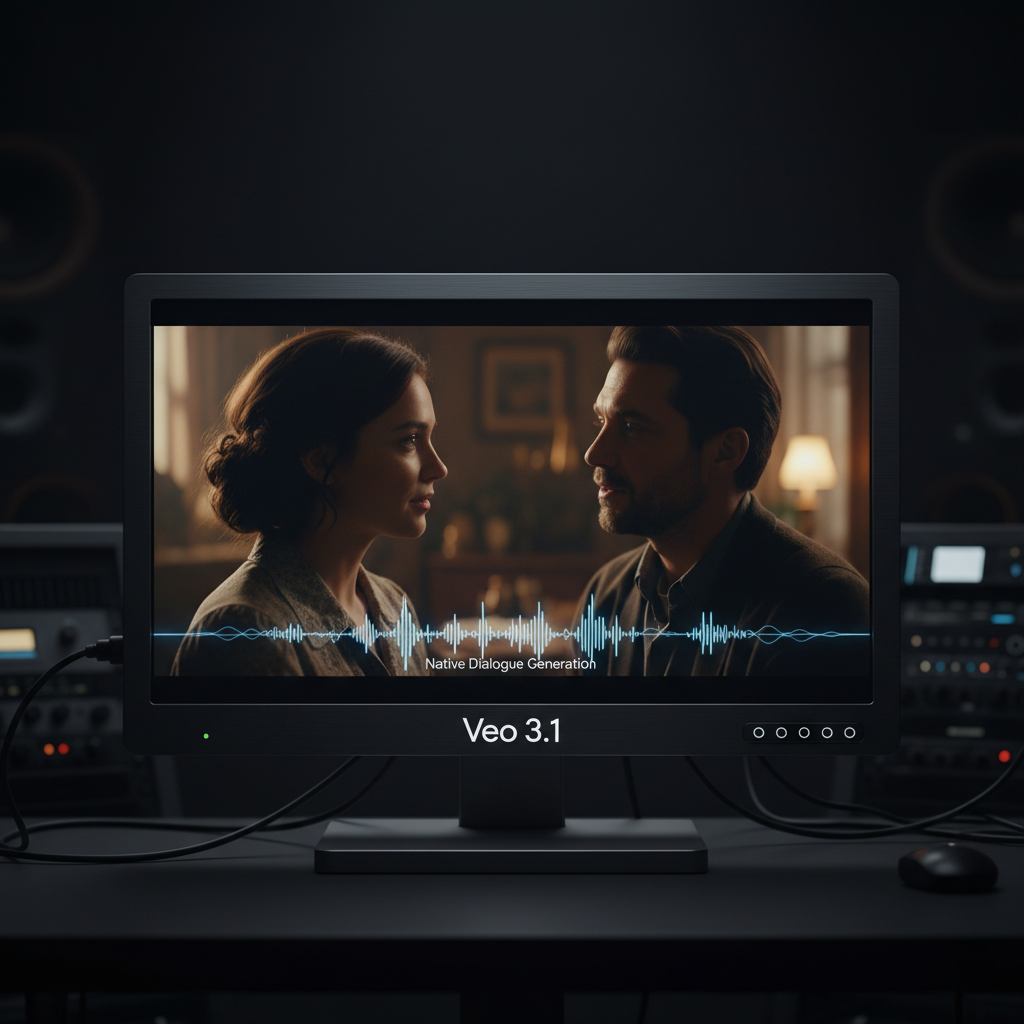
When I first tested Google Veo 3.1 in October 2025, I knew I was experiencing something revolutionary. This isn’t just another AI video tool—it’s a professional-grade cinematic engine that finally bridges the gap between AI-generated content and Hollywood-quality production.
Veo 3.1’s standout feature is its ability to produce native dialogue—realistic speech, sound effects, and music all in a single pass. Unlike other platforms that require separate audio editing, Veo generates synchronized conversations that sound natural and contextually appropriate. This integration transforms AI video creation from a visual-only experience into complete storytelling.
“For cinematic storytelling, Veo 3.1 finally makes AI video a serious filmmaking tool.” — Kevin Li, Indie Filmmaker
The platform delivers cinematic realism through 4K resolution and beyond, making it ideal for commercial productions and professional filmmaking. The ‘Scene Extension’ feature allows creators to craft narratives longer than 60 seconds, enabling complex storytelling that rivals traditional video production methods.
Advanced camera controls—including tilt, pan, and dolly movements—give filmmakers precise creative control. The image referencing system maintains character consistency across scenes, while frame-to-frame controls ensure seamless transitions.
| Feature | Veo 3.1 Performance |
|---|---|
| Generation Speed | ~60s per 60s (1080p) clip |
| Max Resolution | 4K+ |
| Video Duration | >60s with Scene Extension |
| Audio Integration | Native dialogue generation |
Veo 3.1 operates through the Gemini API and Vertex AI, targeting developers, studios, and enterprise clients. While this API-first approach presents a learning curve for non-technical users, it offers unprecedented flexibility for professional workflows.
The platform renders approximately 40-50% slower than consumer-focused alternatives, but this trade-off delivers significantly higher-quality videos with rich audio integration. For professionals who prioritize cinematic quality over rapid iteration, this slower pace becomes an acceptable investment in superior output.
Veo 3.1 represents Google’s commitment to professional video creation, offering tools that finally make AI-generated content suitable for serious commercial and artistic applications.
When I compare tools for best AI video generation, the choice between Sora 2 and Veo 3.1 comes down to specific project needs. Let me break down how these platforms perform in actual use cases.
| Feature | Sora 2 | Veo 3.1 |
|---|---|---|
| Speed | 35s/clip (40-50% faster) | ~60s/clip |
| Resolution | 1080p max | 4K+ |
| Audio | Synchronized effects | Native dialogue generation |
| Access | Consumer app (iOS/Android) | API-first (Gemini/Vertex) |
| Pricing | Free tier available | Paid beta only |
| Best For | Social media creators | Professional filmmakers |
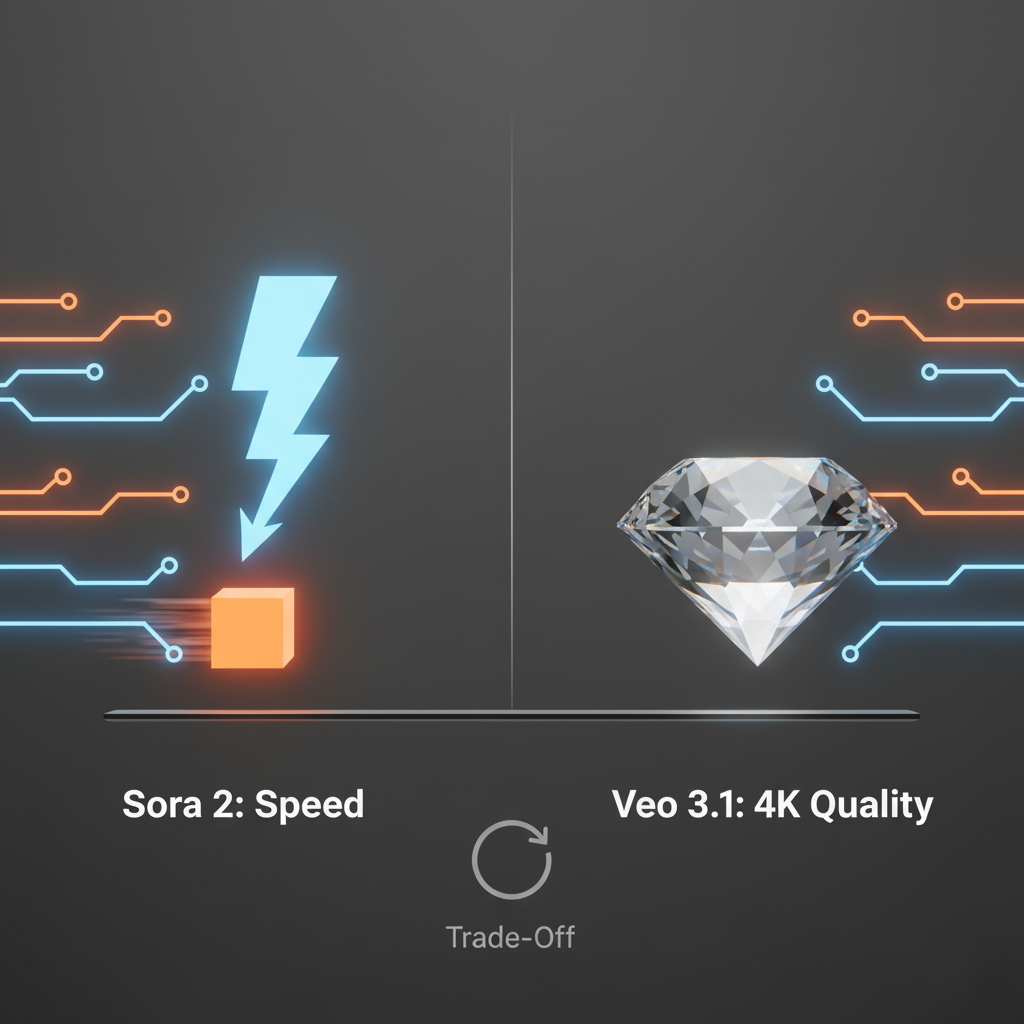
Sora 2 dominates in rapid content creation. Its 35-second generation time makes it perfect for video marketing campaigns requiring quick iterations. The “Cameos” feature lets me insert clients directly into promotional content within minutes.
Veo 3.1 prioritizes cinematic quality over speed. Its 4K output and native dialogue generation create broadcast-ready content, but the longer processing time requires more planning.
In my imaginary indie ad agency, I’d use both platforms strategically. For social media campaigns and client previews, Sora 2’s accessibility and free tier make it ideal. When creating premium commercials or presentations, Veo 3.1’s professional controls and high resolution become essential.
“Choosing an AI video engine is like picking a camera—fit matters more than fame.” — Maria Lopez, Video Marketer
Sora 2’s consumer app removes technical barriers. Anyone can create engaging content without coding knowledge. Its social features align perfectly with user-generated content strategies.
Veo 3.1’s API-first approach targets developers and studios. While more complex, it offers granular control through scene extensions and advanced camera movements that Sora 2 can’t match.
The Sora/Veo rivalry clearly divides the market into social/consumer and professional/cinematic segments. Success depends on whether you prioritize speed and accessibility or quality and professional features for your specific video projects.
As we reach the end of this ultimate guide to the 2025 AI video landscape, one truth emerges clearly: there’s no universal winner in the Sora vs Veo showdown. Instead, we’re witnessing the birth of a more sophisticated, specialized ecosystem where AI video generators serve distinct creative visions rather than competing for one-size-fits-all dominance.
The real breakthrough isn’t in the technology specs themselves—it’s in how these tools fundamentally reshape the creative process. AI video generators don’t replace human creativity; they amplify it, giving every creator access to cinematic possibilities that were once locked behind million-dollar budgets and years of technical training.
‘The real evolution is in how creators use these tools—not the tools themselves.’ — Alex Zhang, Creative Technologist
Each creator now faces a personal fork in the road. Do you prioritize Sora 2’s lightning-fast social features and Cameos for rapid-fire content creation? Or does Veo 3.1’s 4K cinematic power and native dialogue generation align better with your professional ambitions? The choice reflects your creative DNA more than any technical benchmark.
This ongoing evolution points to even greater specialization and hybridization of video production tools in the coming years. I expect 2026 to bring us even more targeted solutions—perhaps a Sora variant optimized for educational content, or a Veo edition designed specifically for advertising agencies.
But here’s the wild card that keeps me excited about the future: imagine a world where Sora’s social Cameos feature merges seamlessly with Veo’s 4K dialogue generation. Picture collaborative filmmaking where friends insert themselves into professionally-grade narratives, or where social media clips serve as rough cuts for feature-length productions. The boundaries between fast-and-fun and high-end cinematic work may blur in ways we can’t yet imagine.
The 2025 AI video landscape teaches us that success isn’t about picking the “best” tool—it’s about choosing the right tool for your unique creative vision. Whether you’re crafting viral TikToks or planning the next indie film breakthrough, both Sora 2 and Veo 3.1 offer unprecedented creative power. The question isn’t which tool wins, but which one helps you tell your story most effectively.
TL;DR: Both Sora 2 and Veo 3.1 push the boundaries of AI video, but your choice depends on what you value—speed, ease, and social fun (Sora 2), or uncompromising cinematic quality and dialog (Veo 3.1). There’s no universal champ, only the best fit for your next creative adventure.